The significance of ‘Ilish Maach’ (Hilsa Fish) in Bengali cuisine transcends mere sustenance. Originating from the fertile deltaic plains of the Ganges-Brahmaputra-Meghna basin, the hilsa, or ilish, holds a revered status in Bengali gastronomy, and is an emblem of cultural identity and culinary excellence. The hilsa fish head in Bengali cuisine is a journey steeped in both history and gastronomy, reflective of the rich cultural tapestry of the region. The practice can be traced back to ancient times when communities settled along the riverbanks of Bengal, where the hilsa thrived abundantly. Its availability therefore made it a staple food for the people living in the region since ancient times. From the bustling markets of Kolkata to the serene villages dotting the riverbanks, the consumption of the fish head has been an integral part of Bengali culinary lore for centuries. This love is deeply intertwined with both historical and cultural factors. Renowned for its delicate flavor, buttery flesh, and distinct aroma, ilish maach is considered the ‘King of Fish’ in Bengali cuisine. Its rich, oily texture and unique taste make it a favorite among Bengalis, who enjoy it at home as well as a delicacy reserved for special occasions, festivals, celebratory feasts and family gatherings. The significance of the hilsa fish head lies not only in its delectable flavor but also in its symbolic value within Bengali culture. In Bengali tradition, it is believed that the head of the hilsa fish holds the most succulent and flavorful meat, embodying the essence of the entire fish. In Bengali tradition, sharing a meal of ilish maach symbolizes warmth, hospitality, and togetherness. Families and friends come together to savor the fish, sharing stories and creating cherished memories around the dining table. The hilsa fish features prominently in Bengali literature, folklore, and art, further solidifying its status as an icon of Bengali culture. Poets like Rabindranath Tagore and Kazi Nazrul Islam have immortalized the hilsa fish in their works, attributing symbolic meanings to its presence in Bengali society.
Beyond its cultural significance, the hilsa fish head also boasts a plethora of nutritional benefits. Rich in omega-3 fatty acids, vitamins, and minerals, consuming the hilsa fish head is believed to promote heart health, boost cognitive function, and support overall well-being. Additionally, the gelatinous texture of the head meat adds a unique dimension to dishes, imparting a luxurious mouthfeel and depth of flavor. In Bengali cuisine, the hilsa fish head is prepared in various ways, each highlighting its inherent flavors and textures. From traditional dishes like ‘Ilish Bhapa’ (Steamed Hilsa) to ‘Ilish Macher Tel Jhol’ (Hilsa Fish Curry), the versatility of the fish head lends itself to a myriad of culinary interpretations, ensuring its enduring popularity among connoisseurs and epicureans alike. The idea of cooking the head of the fish with lentils and adding warming spices can be slightly intimidating if you haven’t grown up in a Bengali household where that was the done thing. This is a great way of using up the not-so-fleshy part of the fish which still has a lot of flavor and goodness @sarchakra
PREP TIME: 15 mins
COOK TIME: 30 mins
YIELDS: Serves 3
Ingredients
- Ilish (Hilsa) fish head
- Mung Dal 1 cup
- Salt to taste
- Turmeric 4 tsp, divided
- Red chili powder 1 tbsp plus 2 tsp
- Ginger paste 2 tbsp, divided
- Roasted cumin powder 2 tsp
- Ghee 1 tbsp
- Mustard oil 3 tbsp, divided
- Dry red chilies 2, broken
- Cardamom 3-4
- Cloves 3-4
- Cinnamon 1 inch
- Onion 1 medium, finely chopped
- Bengali garam masala powder 2 tsp
Method
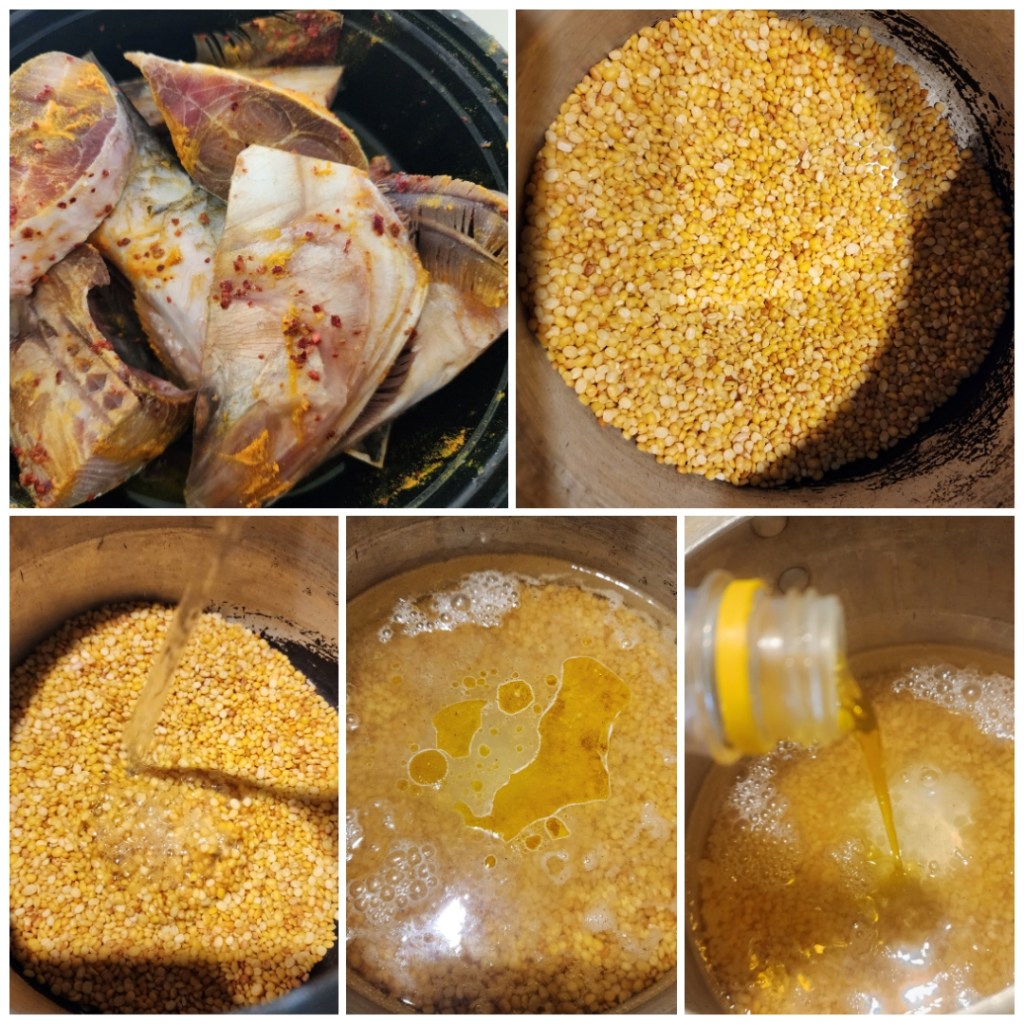
- Wash the fish thoroughly. Rub the salt, 2 tsp of turmeric and 2 tsp of red chili powder on the fish in all the nooks and crannies of the fish head. Keep it aside for 30 mins.
- In a pressure cooker add the mung Dal. Sauté on fry for a few minutes on low heat till the dal is aromatic and changes color.
- Add 2 cups of water, 1 tbsp mustard oil, salt to taste and 1 tbsp of ginger paste to the dal. Cover and pressure cook for 2 whistles.
- Heat mustard oil in a pan. Add a pinch of salt to the oil. Fry the fish head and pieces till golden. Keep aside.
- In the same oil add fry red chilies, bay leaf, cardamom, cloves and cinnamon. Let it cook and sizzle for a minute.
- Add the finely chopped onion. Cook for a couple of minutes.
- Add ginger paste, 2 tsp turmeric, 1 tbsp of red chili powder and roasted cumin powder. Cook this mixture for a few seconds.
- Add ¼ cup of water and keep cooking till all the water dries up and the mixture starts to release the oil.
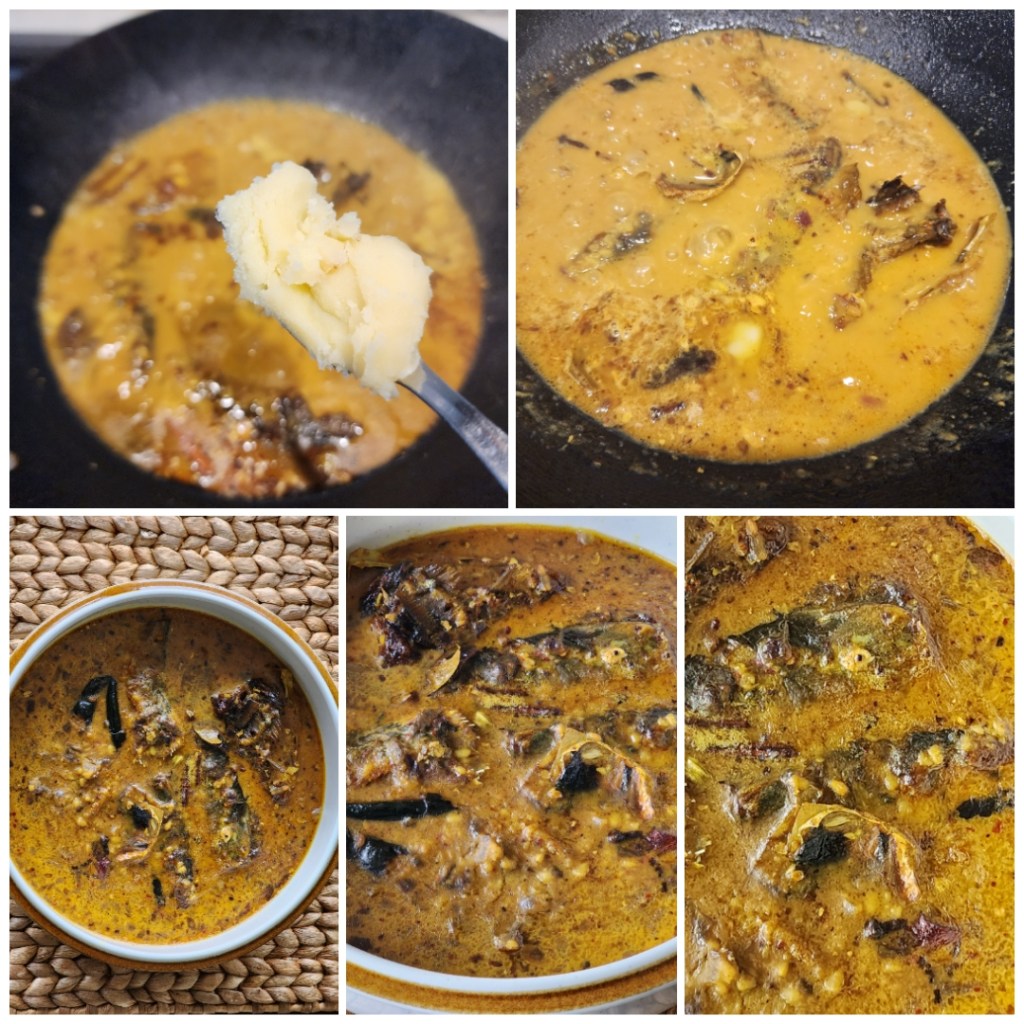
- Now add the cooked Mung Dal. Mix. Check seasoning.
- Add the fried fish.
- Let it simmer for 10-12 mins.
- Add Bengali garam masala powder, ghee and sugar. Stir and keep covered for 5 mins before serving.
Notes
Adding a pinch of salt to the pan is absolutely essential to make sure the oil doesn’t splatter all over the surface of your kitchen!
I like to add the tail and the smaller pieces in the dish so I can get some fish in every portion.
If you try a recipe, please use the hashtag #sarchakra on INSTAGRAM for a chance to be featured!
FOLLOW SARCHAKRA ON FACEBOOK| INSTAGRAM | PINTEREST | TWITTER I TIKTOK FOR ALL OF THE LATEST CONTENT, RECIPES AND UPDATES.




 sarchakra
This is really fascinating to me! I doubt I can ever find this fish, unfortunately. I love the seasonings.
LikeLiked by 1 person
Thank you Mimi ❤️ Hilsa is only available in Indian groceries in the frozen section. They are either from India (from the Ganges river), from Bangladesh (from the Padma river) or from Myanmar (from Ayeyawady river). Each of them have different quality, size and taste depending on where they are from interestingly. Hilsa is a huge delicacy amongst Bengalis especially.
LikeLike